
Pancasila, the foundational philosophical doctrine of the Indonesian state, embodies the collective aspirations of a diverse nation. As we delve into the concept of “Pancasila Cita Cita Yang Belum Tercapai,” it becomes imperative to scrutinize the myriad facets of this idealized vision and evaluate the extent to which these aspirations remain unfulfilled. While Pancasila espouses unity, democracy, and social justice, the reality on the ground suggests a dichotomy between these noble principles and the lived experiences of many Indonesians.
To begin, Pancasila consists of five precepts that advocate belief in God, humanitarianism, national unity, democracy, and social justice. These principles were meticulously crafted by the founding fathers to be inclusive, ensuring they resonate with the multitude of cultural, religious, and ethnic groups in Indonesia. However, as we analyze the present sociopolitical landscape, the question arises: how closely does contemporary Indonesia align with the ideals set forth in Pancasila?
Historically, the ideology of Pancasila was heralded as a unifying force, especially post-Independence. Yet, as decades have unfolded, various challenges have assailed this construct. Ethnic tensions, inequality, and political corruption have, at times, overshadowed the essence of Pancasila, leading to a palpable disillusionment among the populace. Many citizens now grapple with the reality that the lofty ideals of Pancasila remain just that—aspirations rather than achievements.
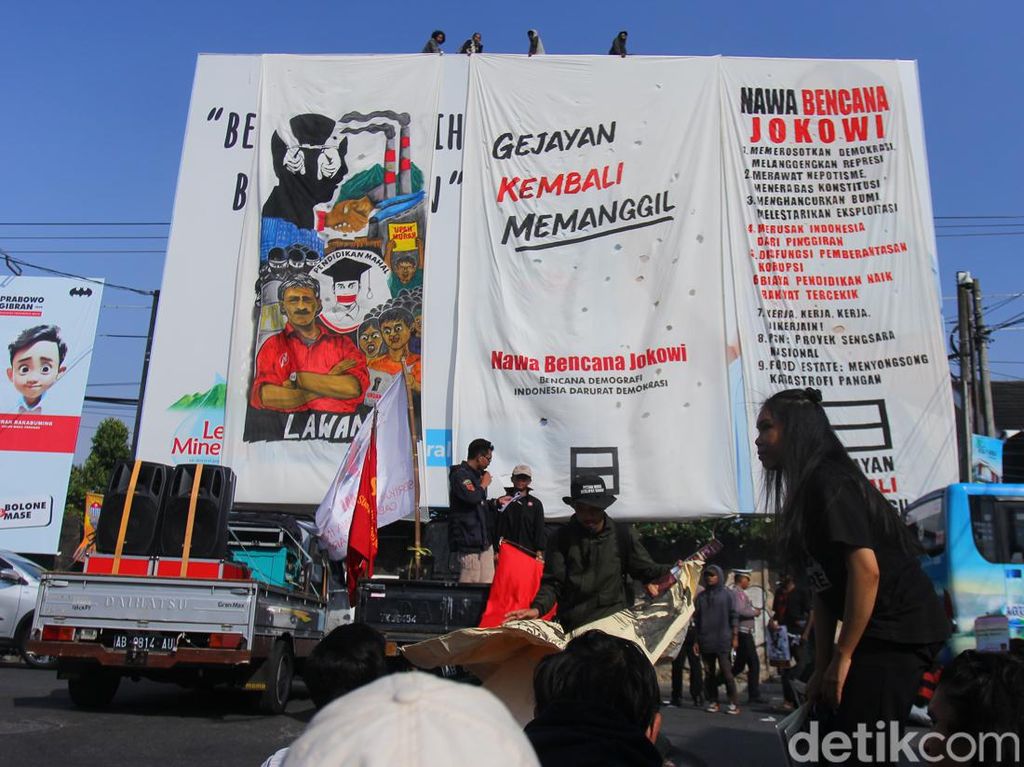
Furthermore, the principle of democracy, enshrined as the fourth precept, is particularly illustrative of the gap between aspiration and reality. Although Indonesia holds regular elections, the persistence of political patronage and the influence of money in politics often undermines democratic integrity. Voter disenfranchisement and disillusionment with elected representatives signal a deeper malaise. Thus, Pancasila’s promise of a thriving democratic society appears increasingly unattainable, leaving citizens to question the true meaning of their democratic rights.
In examining social justice, another cornerstone of Pancasila, it becomes evident that inequality pervades Indonesian society. Economic disparity persists, exacerbated by uneven development across various regions. Urban areas, particularly Jakarta, thrive while rural communities languish, deprived of basic infrastructure and services. This disparity creates a stark juxtaposition against the tenets of social justice, leading many to feel alienated from a government that claims to act in their best interests. How can the promise of equitable prosperity be reconciled with the persistent socioeconomic divide?
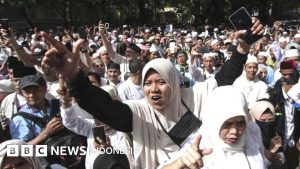
Moreover, the role of religious pluralism is significant within the framework of Pancasila. Indonesia is home to a myriad of faiths and beliefs, yet issues of intolerance and discrimination continue to rear their ugly heads. The commitment to belief in one supreme God, while vital, has sometimes been co-opted to marginalize minority groups. This contradiction raises questions about the sincerity of Pancasila’s promise for religious harmony and tolerance amidst a backdrop of sectarian strife.
In educational realms, one must ponder whether the principles of Pancasila are effectively imparted to younger generations. The curriculum often emphasizes rote learning over critical engagement, thereby failing to instill a deeper understanding of the values encapsulated within Pancasila. This lack of comprehensive education risks paving a path where future leaders may not fully appreciate or advocate for these principles, leading to further deviations from the original vision of the state.
The environmental landscape further complicates the aspirations set forth in Pancasila. Indonesia’s rich biodiversity and natural resources have become commodities, often exploited at the expense of ecological integrity and indigenous rights. The consequences of such exploitation starkly contrast with the tenets of humanitarianism and national unity. The encroachment on traditional lands leads to not only ecological degradation but also the erosion of cultural identities—an affront to the unifying spirit that Pancasila aims to foster.
Amidst these challenges, however, there are glimpses of hope and resilience that inspire a reimagining of Pancasila’s potential. Grassroots movements are increasingly advocating for social justice, environmental sustainability, and transparent governance. Local initiatives showing a commitment to Pancasila’s ideals demonstrate that change can sprout from the very roots of society, driving a collective effort towards realizing the aspirations embedded within the state philosophy.
As Indonesia navigates the complexities of modernity, the pressing question remains: how can the nation rekindle the ethos of Pancasila? It necessitates a collective awakening—one that transcends mere rhetoric, fostering a culture of accountability, inclusiveness, and genuine dialogue. By embracing the diversity that characterizes Indonesia, society can move toward a more profound understanding and application of Pancasila’s principles. This transformation requires the participation of all stakeholders—government, civil society, and everyday citizens—to create a polity reflective of the ideals originally envisioned by the founders.
In conclusion, while Pancasila stands as a pillar of the Indonesian state, the journey toward realizing its full potential is fraught with challenges. The dissonance between aspiration and reality is palpable, yet it also presents an opportunity—a clarion call to reinvigorate the commitment to Pancasila as a living philosophy. Only through concerted efforts, introspection, and a renewed dedication can Indonesia approach the dream of Pancasila as a reality, ensuring that it fervently echoes in the hearts of its citizens for generations to come.