
Pancasila, the foundational philosophy of the Indonesian state, presents a paradoxical dichotomy that both unites and divides. Its principles encapsulate the aspirations of a diverse nation, yet they are often subject to interpretation and misuse. To truly comprehend the paradoxes inherent in Pancasila, we must explore its historical context, philosophical underpinnings, and the contemporary implications of its application in Indonesian society.
One cannot begin to understand the complexities of Pancasila without acknowledging its historical genesis. Formulated by Indonesia’s founding fathers during the tumultuous period of independence in 1945, Pancasila emerged as a vessel for unifying a nation composed of numerous ethnicities, cultures, and beliefs. The five tenets — Belief in One God, Just and Civilized Humanity, the Unity of Indonesia, Democracy Led by the Wisdom of Deliberation, and Social Justice for All Indonesians — were crafted as guiding stars for a fledgling nation seeking coherence amid diversity. However, while these principles ostensibly embody national unity, they simultaneously reflect the myriad interpretations and ideological battles that persist.
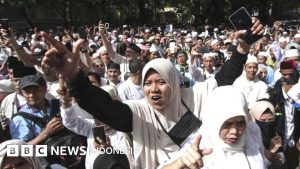
The concept of “Belief in One God” epitomizes this paradox. Intended to promote religious harmony, it paradoxically risks fomenting sectarianism. Indonesia is home to a multitude of religions, yet the predominant influence of Islam often leads to an exclusionary interpretation of this principle. This misunderstanding can manifest in various societal challenges, including religious intolerance and sectarian violence, contradicting the spirit of pluralism the principle seeks to nurture.
As we delve deeper, the second principle — Just and Civilized Humanity — further elucidates the recondite nature of Pancasila. This tenet advocates for human rights and dignity, yet its implementation is inconsistent, particularly regarding marginalized groups. Talk of justice is often drowned out by systemic inequalities, and marginalized communities frequently find themselves bereft of the very protections Pancasila promises. Thus, while the principle is lauded as a framework for ethical governance, the disparity between ideology and practice remains a stark social reality.
The principle of Unity in Indonesia encapsulates yet another layer of the paradox. Indonesia’s vast expanse, consisting of over 17,000 islands and hundreds of ethnic groups, highlights the challenge of achieving true unity. National identity often clashes with local identities, creating tensions that threaten to unravel the social fabric. The call for unity can sometimes be employed as a tool for suppressing dissent, where criticism of the state is conflated with a lack of patriotism. This manipulation underscores the delicate balance between fostering national pride and acknowledging the right to individual and communal expression.
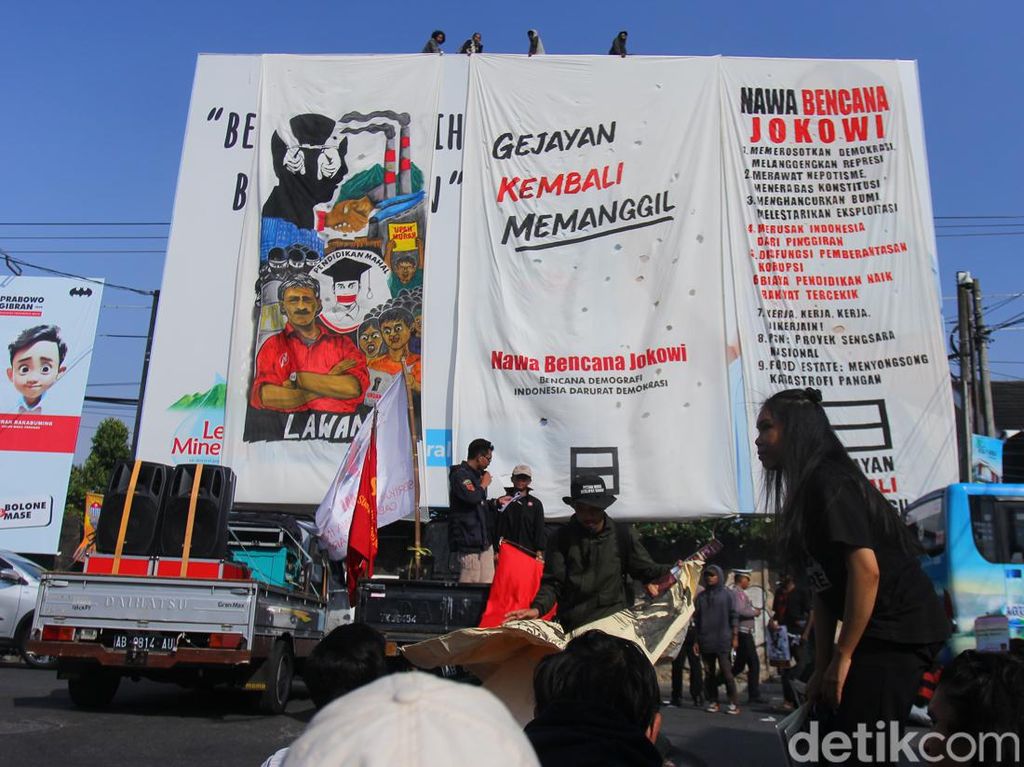
Democracy, as outlined in Pancasila, posits the notion of deliberative governance. However, the application of this democratic ideal often deviates from its intended purpose. In practice, the implementation of democracy in Indonesia can be marred by corruption, partisanship, and the exclusion of minority voices. The wisdom of deliberation is supposed to echo the will of the people, yet political polarization frequently hampers meaningful discourse. The disconnect between the theoretical ideals of democracy and the pragmatic execution of governance reveals profound challenges in realizing the participatory democracy envisioned by the founders.
Finally, the principle of Social Justice for All Indonesians aims to create an equitable society. However, in an age characterized by rapid economic growth juxtaposed with pervasive inequality, the application of this principle raises significant questions. The distribution of wealth and resources remains disproportionately skewed, undermining the very essence of social justice. Economic policies ostensibly designed to uplift the impoverished may further entrench systemic inequities, as they are often co-opted by elite interests, thereby diluting the transformative potential of social justice.
Amidst these philosophical and practical intricacies lies the need to pivot towards a more inclusive interpretation of Pancasila. Acknowledging the paradoxes entwined within its principles opens pathways for a renewed dialogue about identity, governance, and justice. In educational spheres, instilling a critical understanding of Pancasila among young Indonesians could cultivate a generation that actively engages with its ideals, rather than passively accepting them. Understanding the paradoxes of Pancasila also calls for an engagement with civil society, fostering platforms for discourse that transcend partisan divides.
The media, as a conduit of information, plays an indispensable role in reframing the conversation surrounding Pancasila. Rather than perpetuating dogmatic interpretations, media narratives must illuminate the diverse perspectives that exist within Indonesian society. By fostering informed discussion and critical scrutiny of Pancasila, the media can stimulate a more nuanced understanding that embraces the complexity of Indonesian identity.
In the broader spectrum of governance and policymaking, the application of Pancasila must evolve. Policymakers are urged to embody the principles of Pancasila in a manner that transcends symbolic gestures, ensuring that the ideals of justice, democracy, and unity are reflected in actionable policies. This requires a collective effort to confront the socio-economic disparities that plague the nation, thereby aligning policy objectives with the tenets of social justice.
Ultimately, the paradoxes of Pancasila reflect the enduring journey of Indonesia — a journey marked by the quest for unity amid diversity, the pursuit of justice, and the aspiration for a more democratic society. By engaging critically with these paradoxes, Indonesians can unlock the potential of Pancasila to serve not merely as an ideological framework but as a living, breathing guide for the nation’s governance and identity. The path toward a truly harmonious society lies in reconciling these complexities, fostering an ethos that honors the richness of Indonesian culture while upholding the principles that bind it together.